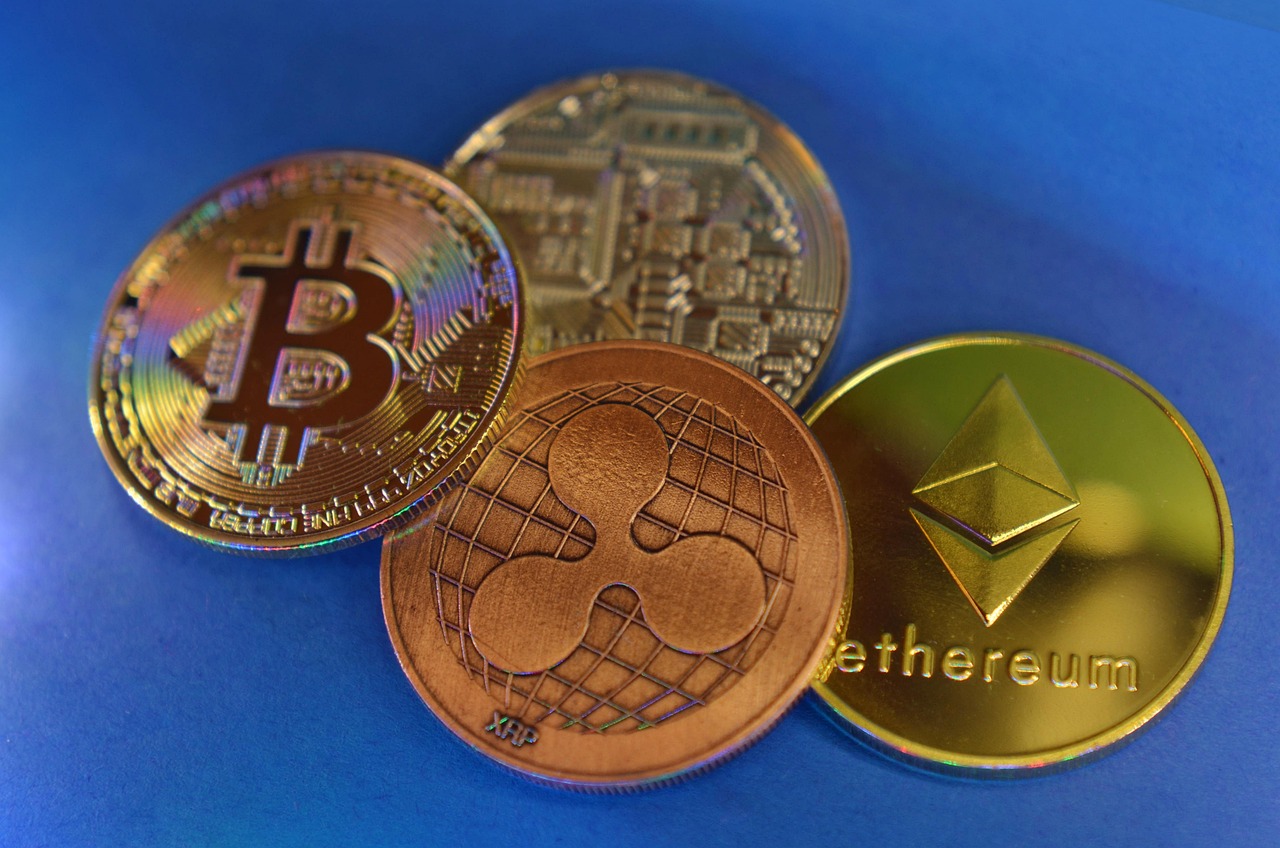
What is Xrp UK Explained
Understanding XRP in the UK: A Comprehensive Guide
XRP, often mistakenly referred to as Ripple (which is the name of the company behind it), is a cryptocurrency and digital payment protocol that has garnered significant attention in the UK and worldwide. It aims to facilitate faster and cheaper international money transfers, offering a potential alternative to traditional banking systems. However, navigating the world of cryptocurrencies can be complex, especially with the ever-evolving regulatory landscape. This article provides a detailed overview of XRP, its functionality, its UK context, and the associated risks.
What is XRP and How Does It Work?
XRP is the native cryptocurrency of the XRP Ledger, an open-source, permissionless, and decentralised cryptographic ledger. Unlike Bitcoin, which relies on a proof-of-work consensus mechanism requiring extensive computing power, the XRP Ledger uses a unique consensus protocol. This protocol involves a network of independent validating nodes that agree on the order and validity of transactions. This system is designed to be significantly faster and more energy-efficient than Bitcoin’s.
Here’s a breakdown of XRP’s key features:
- Fast Transaction Speeds: XRP transactions are typically confirmed within seconds, significantly faster than Bitcoin or traditional banking transfers, which can take hours or even days.
- Low Transaction Costs: The cost of sending XRP is typically very low, often fractions of a penny, making it attractive for international payments.
- Scalability: The XRP Ledger is designed to handle a large volume of transactions, potentially making it suitable for widespread adoption by financial institutions.
- Bridge Currency: XRP is often used as a bridge currency to facilitate transfers between different fiat currencies. For example, a bank in the UK wanting to send money to a bank in Mexico could convert GBP to XRP and then XRP to Mexican pesos (MXN), potentially reducing costs and settlement times.
Ripple, the company behind XRP, has developed a suite of products and services aimed at integrating XRP into the financial system. One of their key offerings is RippleNet, a global payment network that connects banks and payment providers. RippleNet allows members to use XRP for on-demand liquidity, enabling them to send and receive payments in different currencies with greater speed and efficiency.
XRP vs. Ripple: Clearing Up the Confusion
It’s crucial to distinguish between XRP and Ripple. Ripple is the technology company that created the XRP Ledger and holds a significant amount of XRP. XRP is the digital asset. While the two are intrinsically linked, they are not the same thing. Ripple uses XRP as a tool within its payment solutions, but XRP can also exist and be used independently of Ripple’s products.
The UK Regulatory Environment for XRP and Cryptocurrencies
The UK’s regulatory environment for cryptocurrencies, including XRP, is still evolving. The Financial Conduct Authority (FCA) is the primary regulatory body overseeing financial services in the UK and has taken a cautious approach to cryptocurrencies.
Here are some key aspects of the UK’s regulatory landscape regarding cryptocurrencies like XRP:
- Money Laundering Regulations: Cryptocurrency exchanges and custodian wallet providers operating in the UK are required to register with the FCA and comply with anti-money laundering (AML) and counter-terrorism financing (CTF) regulations. This means they must verify the identity of their customers and report suspicious activity.
- Financial Promotions Restrictions: The FCA has implemented strict rules on the marketing and promotion of cryptoassets to retail consumers. These rules are designed to protect consumers from high-risk investments. This means that any marketing material for XRP or other cryptoassets must be clear, fair, and not misleading, and must include prominent risk warnings.
- Taxation: HM Revenue & Customs (HMRC) treats cryptocurrencies as property for tax purposes. This means that profits from buying and selling XRP may be subject to Capital Gains Tax (CGT). Individuals and businesses must report their cryptocurrency gains and losses to HMRC.
- Lack of Investor Protection: It’s important to understand that cryptocurrencies are not covered by the Financial Services Compensation Scheme (FSCS) or the Financial Ombudsman Service (FOS). This means that if you lose money investing in XRP, you may not be able to recover your losses.
The FCA’s stance is that most cryptoassets are unregulated and high-risk. They’ve repeatedly warned consumers about the potential for significant losses when investing in cryptocurrencies. It is essential to stay informed about the latest regulatory developments and to seek professional financial advice before investing in XRP or any other cryptocurrency.
Buying and Storing XRP in the UK
If you’re considering buying XRP in the UK, you’ll need to use a cryptocurrency exchange. The method of purchasing and storing XRP is similar to other cryptocurrencies. Here’s a general outline:
- Choose a Cryptocurrency Exchange: Select a reputable exchange that lists XRP. Ensure the exchange is compliant with UK regulations.
- Create an Account: Register an account on the exchange and complete the identity verification process (KYC – Know Your Customer). This usually involves providing personal information and uploading identification documents.
- Deposit Funds: Deposit funds into your exchange account. Most exchanges accept deposits via bank transfer or debit card.
- Buy XRP: Once your account is funded, you can buy XRP. You can place a market order (to buy XRP at the current market price) or a limit order (to buy XRP at a specific price).
- Store Your XRP: After purchasing XRP, it’s crucial to store it securely. You can store your XRP on the exchange, but it’s generally recommended to withdraw it to a personal wallet for greater security.
There are two main types of cryptocurrency wallets:
- Software Wallets (Hot Wallets): These are applications that you can download onto your computer or mobile device. They are convenient for making transactions but are generally considered less secure than hardware wallets because they are connected to the internet.
- Hardware Wallets (Cold Wallets): These are physical devices that store your private keys offline. They are considered the most secure way to store cryptocurrencies because they are not vulnerable to online hacking or malware.
When choosing a wallet, consider your individual needs and risk tolerance. If you plan to make frequent transactions, a software wallet may be more convenient. However, if you prioritize security, a hardware wallet is the better option. Whichever wallet you choose, *always* back up your private keys in a safe place. If you lose your private keys, you will lose access to your XRP.
Potential Benefits and Risks of Investing in XRP
Investing in XRP, like any cryptocurrency, involves both potential benefits and significant risks. It’s crucial to weigh these factors carefully before making any investment decisions.
Potential Benefits:
- Potential for High Returns: Cryptocurrencies, including XRP, have the potential to generate high returns. However, it’s important to remember that past performance is not indicative of future results.
- Fast and Cheap Transactions: XRP’s fast transaction speeds and low transaction costs can be attractive for individuals and businesses who frequently send or receive international payments.
- Adoption by Financial Institutions: If more financial institutions adopt XRP and Ripple’s technology, the value of XRP could potentially increase.
- Diversification: Investing in XRP could potentially diversify your investment portfolio and reduce your overall risk. Of course, allocating a small percentage of a larger portfolio is the best way to approach risk diversification.
Risks:
- Volatility: The price of XRP, like other cryptocurrencies, can be highly volatile and subject to sudden and significant price swings. You could lose a substantial portion of your investment in a short period of time.
- Regulatory Uncertainty: The regulatory environment for cryptocurrencies is still evolving, and changes in regulations could negatively impact the value of XRP.
- Security Risks: Cryptocurrency exchanges and wallets are vulnerable to hacking and theft. You could lose your XRP if your exchange or wallet is compromised.
- Lack of Investor Protection: As mentioned earlier, cryptocurrencies are not covered by the FSCS or the FOS, so you may not be able to recover your losses if something goes wrong.
- Market Manipulation: The cryptocurrency market is susceptible to manipulation, which could lead to artificial price movements and potential losses for investors.
Remember that investing in XRP or any other cryptocurrency carries a high level of risk. Only invest what you can afford to lose, and always do your own research before making any investment decisions.
XRP and the Future of Cross-Border Payments
Despite the risks and regulatory uncertainties, XRP has the potential to play a significant role in the future of cross-border payments. Its fast transaction speeds, low transaction costs, and scalability make it an attractive alternative to traditional banking systems. Ripple’s technology aims to streamline the process of international money transfers, making it faster, cheaper, and more efficient for businesses and individuals.
However, the success of XRP will depend on several factors, including:
- Regulatory Clarity: Clear and consistent regulations are needed to provide certainty for businesses and investors and encourage wider adoption of XRP.
- Adoption by Financial Institutions: Widespread adoption of XRP and Ripple’s technology by financial institutions is crucial for its long-term success.
- Technological Development: Continued development of the XRP Ledger and Ripple’s products and services will be essential to maintain its competitive edge.
- Market Sentiment: Positive market sentiment and investor confidence are important for driving demand for XRP and supporting its price.
The future of XRP is uncertain, but its potential to disrupt the cross-border payments industry is undeniable. As the cryptocurrency market continues to evolve, it will be interesting to see how XRP adapts and what role it plays in the future of finance.
Conclusion: Is XRP Right for You?
Investing in XRP in the UK requires careful consideration of the potential benefits and risks. It’s essential to understand the technology behind XRP, the regulatory environment, and the factors that could impact its value. If you’re considering investing in XRP, do your own research, seek professional financial advice, and only invest what you can afford to lose. Remember that cryptocurrencies are high-risk investments, and there’s no guarantee that you’ll make a profit. Staying informed and making informed decisions is critical for navigating the complex world of cryptocurrencies.
Disclaimer: This article is for informational purposes only and does not constitute financial advice. Cryptocurrencies are complex, volatile and high-risk assets. Trading or investing in cryptocurrencies can result in significant financial loss, including losing your entire investment. You should carefully consider your investment objectives, risk tolerance, and financial situation before making any investment decisions. Seek advice from a financial advisor if unsure. Past performance is not indicative of future success. Investing in cryptoassets is not regulated in the UK. Cryptoassets are not covered by the Financial Services Compensation Scheme (FSCS) or the Financial Ombudsman Service (FOS). Capital Gains Tax may be payable on profits.