How to Declare Crypto on Tax Return UK
Navigating Crypto Tax: A UK Guide to Declaring Crypto on Your Tax Return
The world of cryptocurrency can seem daunting enough without throwing taxes into the mix. But if you’re a UK resident who’s bought, sold, or otherwise interacted with crypto assets, understanding your tax obligations is crucial. This guide will break down how to declare crypto on your UK tax return, covering the key concepts, reporting requirements, and some common scenarios. Remember, this is for informational purposes only and should not be considered financial or legal advice. Always consult a qualified professional for personalised guidance.
Understanding Your Crypto Tax Obligations in the UK
HMRC (Her Majesty’s Revenue and Customs) views crypto assets, like Bitcoin and Ethereum, not as currency but as property for tax purposes. This means that when you dispose of an asset, such as selling or giving away your crypto, it could be subject to Capital Gains Tax (CGT). Understanding when and how CGT applies is the first step towards accurate reporting.
There are several events that trigger a taxable event regarding cryptocurrency in the UK:
- Selling crypto: This is the most common taxable event. Selling crypto for fiat currency (like pounds) or other crypto assets can generate profits and losses.
- Trading crypto: Exchanging one cryptocurrency for another is also considered a disposal and can be subject to CGT.
- Spending crypto: Using crypto to buy goods or services is treated as disposing of the crypto.
- Gifting crypto: While gifting might seem like a way to avoid tax, it’s treated as a disposal at market value for CGT purposes. Depending on the value and the relationship to the recipient, Inheritance Tax implications might also apply.
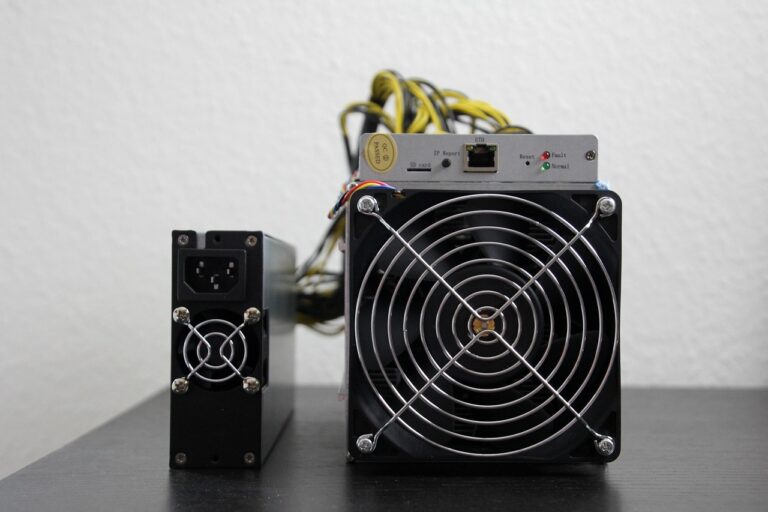
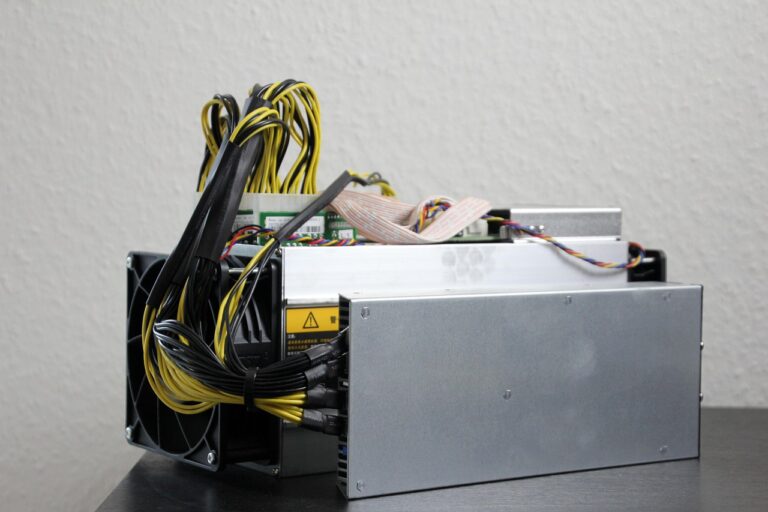
- Mining crypto: Mining new cryptocurrency can be considered income (trading profits) rather than a capital gain, depending on the scale and organisation of your mining activities.
- Staking crypto: Receiving staking rewards is generally treated as taxable income. The specific treatment depends on whether it’s considered miscellaneous income or trading income.
- DeFi activities: Engaging in Decentralized Finance (DeFi) protocols can create complex tax scenarios, often treated as a disposal for each action.
Crucially, simply buying and holding crypto is not a taxable event. Tax is only triggered when you ‘dispose’ of the asset in one way or another.
Record Keeping: Your First Line of Defence
Meticulous record keeping is essential when dealing with crypto taxes. HMRC can request documentation to support your tax return, and accurate records make the process much smoother. Keep records of:
- Date of each transaction: When you bought, sold, traded, or spent crypto.
- Type of crypto: Bitcoin, Ethereum, or altcoin.
- Amount of crypto: The quantity involved in each transaction.
- Value in GBP at the time of the transaction: Document the GBP value. This will be crucial to calculate gains and losses. Screenshots from the time of transaction are recommended.
- Transaction fees: Any fees paid to exchanges or networks. These can be deducted from your gains.
- Wallet addresses: The “from” and “to” wallet addresses involved in the transaction
- Purpose of transaction: Was it a sale, gift, trade, or payment for goods/services?
Spreadsheet software is your friend. Consider using a crypto tax software package or a dedicated spreadsheet to organize your records. Consistency is key to a successful tax filing. Several UK specific crypto tax packages exist that will create formatted reports for HMRC in one click.
Calculating Capital Gains Tax on Crypto
Capital Gains Tax (CGT) is payable on the profit (‘gain’) you make when you dispose of crypto. The gain is the difference between what you paid for the crypto (your ‘cost basis’) and what you sold, traded, or spent it for.
Example: You bought 1 ETH for £2,000. Later, you sold it for £3,000. Your capital gain is £1,000 (£3,000 – £2,000).
But what if you bought the same cryptocurrency at different times for different prices? In this case, the “pooling” rules apply. HMRC uses a specific order to determine which crypto assets you’ve disposed of when calculating your capital gain:
- Same-day acquisitions: If you buy and sell the same crypto on the same day, these are matched first.
- Bed and breakfasting rule (30-day rule): If you sell crypto and then buy the same crypto back within 30 days, the repurchase is matched to the sale. This rule is designed to prevent you from artificially creating a loss for tax purposes.
- Pooling: After the above rules are applied, the remaining disposals are matched to a “pool” of crypto assets of the same type. The cost basis of the pool is calculated as the total cost of all the assets in the pool divided by the total number of assets.
Using your CGT Allowance: The UK has an annual CGT allowance. If your total capital gains for the tax year (from all assets, not just crypto) are below this allowance, you don’t pay Capital Gains Tax. If your gains exceed the allowance, you’ll only pay CGT on the amount above the allowance.
CGT Rates: The CGT rate you pay depends on your income tax band. It is typically lower for basic rate taxpayers and higher for higher rate taxpayers.
How to Declare Crypto on Your Tax Return
The process for declaring crypto on your tax return depends on whether you’re employed or self-employed.
For Employed Individuals:
If you are employed and only need to declare capital gains from crypto, you can do this through HMRC’s online service or by completing a paper tax return (SA100 plus SA108). The SA108 form is specifically for capital gains. You’ll need to:
- Register for Self Assessment: If you haven’t already, you’ll need to register for Self Assessment with HMRC.
- Complete SA108: Fill in the SA108 form with details of your crypto gains and losses. Include the dates of transactions, the asset type, the proceeds, and the allowable costs.
- Submit Online or by Post: Submit the SA100 and SA108 forms online or by post by the relevant deadlines.
For Self-Employed Individuals:
If you’re self-employed and your crypto activities are considered part of your business (e.g., if you accept crypto as payment or actively trade crypto as a business), this will usually be declared as income rather than CGT. You’ll need to include this income when you complete your self-assessment tax return (SA100) and the relevant self-employment pages (SA103).
- Record Business Income: Keep detailed records of crypto received as payment for your services or goods. Convert the crypto value to GBP at the time of receipt.
- Record Business Expenses: Track any expenses paid in crypto or fees associated with crypto transactions related to your business.
- Complete SA100 and SA103: Fill in the SA100 form and the SA103 self-employment pages, including details of your crypto-related income and expenses.
Tax-Free Crypto Activities
While most crypto activities are taxable, some situations might be tax-free:
- Gifts to your spouse or civil partner: Transfers between spouses/civil partners are typically tax-free, provided they are living together.
- Gains within your CGT allowance: As mentioned earlier, if your total capital gains from all sources are below your annual allowance, you won’t pay CGT.
- Holding Crypto: Simply buying and holding crypto without selling or otherwise disposing of it does not trigger a tax liability.
Common Mistakes to Avoid
Failing to accurately report crypto transactions can lead to penalties from HMRC. Here are some common mistakes to avoid:
- Not Keeping Adequate Records: As previously stressed, good record-keeping is key. Attempting to calculate tax without adequate records is a recipe for errors and potential penalties.
- Ignoring the 30-Day Rule: Misapplying the 30-day “bed and breakfasting” rule can lead to incorrect calculations of Capital Gains Tax.
- Assuming Crypto is Tax-Free: Many people mistakenly believe that crypto is beyond the reach of HMRC. This is not the case, and all transactions need to be assessed for tax implications.
- Not Declaring Crypto Income: If you receive crypto as payment for goods or services, this must be declared as income.
- Claiming Incorrect Expenses: Only claim expenses that are directly related to your crypto activities and are allowable under HMRC rules.
- Missing the Deadline: Failing to submit your tax return by the deadline (31st January for online submissions) will result in penalties.
HMRC has been increasingly focused on crypto taxation, using data from cryptocurrency exchanges to identify taxpayers who may not be declaring their crypto gains. It’s always better to be proactive and ensure you are fully compliant with tax regulations.
Seeking Professional Advice
If you’re unsure about any aspect of declaring crypto on your tax return, it’s always best to seek professional advice from a qualified tax advisor or accountant who specializes in cryptocurrency. A professional can help you navigate the complexities of crypto taxation, ensure that you are compliant with HMRC regulations, and identify any potential tax savings.
Conclusion
Declaring crypto on your UK tax return can seem complicated, but with careful record-keeping, a solid understanding of the rules, and potentially professional advice, it becomes a manageable process. Staying informed and compliant is essential for navigating the evolving world of crypto taxation.
Disclaimer: This article is for informational purposes only and does not constitute financial or tax advice. Cryptocurrency investments are speculative and carry significant risks, including the risk of losing your entire investment. Tax laws are subject to change, and the information provided here may not be up-to-date. Consult with a qualified financial advisor and tax professional before making any investment decisions or filing your tax return. The FCA does not regulate certain crypto assets. Crypto assets high risk. Do not invest more than you can afford to lose. There may be no recourse for consumers.