
How to Mine Bitcoin UK
Is Bitcoin Mining in the UK a Viable Option?
Bitcoin mining, the process of verifying and adding new transaction records to the Bitcoin blockchain, has captivated individuals and organisations worldwide. In the UK, the prospect of earning Bitcoin through mining is appealing, but it’s essential to understand the complexities involved. This article explores the intricacies of Bitcoin mining in the UK, including the hardware requirements, energy consumption, profitability, and regulatory considerations.
Understanding Bitcoin Mining
Before diving into the UK-specific details, let’s recap what Bitcoin mining entails. Bitcoin mining is the backbone of the Bitcoin network, ensuring its security and functionality. Miners use powerful computers to solve complex cryptographic puzzles. These puzzles are part of the proof-of-work (PoW) consensus mechanism. When a miner successfully solves a puzzle, they validate a block of transactions and add it to the blockchain. As a reward, the miner receives newly minted Bitcoin and transaction fees.
The difficulty of these puzzles is adjusted dynamically to maintain a consistent block creation time, approximately every 10 minutes. This adjustment ensures that as more miners join the network, the competition increases, preventing any single entity from gaining control of the blockchain.
It’s crucial to remember that Bitcoin mining is not simply about plugging in a computer and watching Bitcoin accumulate. It requires significant investment, technical expertise, and ongoing maintenance.
Hardware Requirements for Bitcoin Mining
The heart of any Bitcoin mining operation is the hardware. While it was once possible to mine Bitcoin using a standard computer’s CPU, the increasing difficulty of the mining process has rendered this approach obsolete. Today, specialized hardware known as Application-Specific Integrated Circuits (ASICs) are the only viable option for competitive mining.
ASICs are designed specifically for Bitcoin mining and offer significantly higher hash rates (a measure of computing power) compared to CPUs or GPUs. Popular ASIC manufacturers include Bitmain, MicroBT, and Canaan. When selecting an ASIC miner, consider the following factors:
- Hash Rate: The higher the hash rate, the more puzzles the miner can attempt to solve per second, increasing the chances of earning Bitcoin. Hash rate is measured in terahashes per second (TH/s).
- Power Consumption: ASIC miners consume a significant amount of electricity. Choose a model with a good balance of hash rate and power efficiency to minimize operating costs. Power consumption is measured in watts (W).
- Efficiency: Mining efficiency, measured in joules per terahash (J/TH), indicates how much energy the miner consumes for each unit of hash rate. Lower J/TH values indicate better energy efficiency.
- Price: ASIC miners can be expensive, with prices ranging from a few hundred to several thousand pounds. Factor in the initial investment cost when evaluating the overall profitability of mining.
In addition to the ASIC miner itself, you’ll need a reliable power supply unit (PSU) capable of delivering the required wattage. A stable internet connection is also essential to participate in the Bitcoin network and receive mining rewards.
Energy Consumption and Costs
Energy consumption is a major consideration for Bitcoin miners in the UK. ASICs draw significant power, and electricity costs can significantly impact profitability. The UK has relatively high electricity prices compared to some other countries, which can make mining less attractive.
To estimate the energy costs, you’ll need to know the power consumption of your ASIC miner and the cost of electricity per kilowatt-hour (kWh) in your area. Multiply the miner’s power consumption (in kilowatts) by the number of hours it runs per day and the electricity cost per kWh to calculate the daily energy cost. For example, if your miner consumes 1.5 kW and electricity costs £0.30 per kWh, the daily energy cost would be 1.5 kW * 24 hours * £0.30/kWh = £10.80.
Consider exploring renewable energy sources, such as solar or wind power, to reduce energy costs and minimize the environmental impact. However, keep in mind that these options require additional upfront investment and may not be feasible in all locations.
Joining a Mining Pool
Given the intense competition in Bitcoin mining, solo mining (mining independently) is generally not profitable for small-scale miners. A more practical approach is to join a mining pool. A mining pool is a group of miners who combine their computing power to increase their chances of solving blocks and earning rewards.
When a pool successfully mines a block, the reward is distributed among the pool members based on their contributed hash rate. Mining pools typically charge a small fee for their services. Popular Bitcoin mining pools include Foundry USA, AntPool, and ViaBTC.
When choosing a mining pool, consider the following factors:
- Pool Size: Larger pools have a higher chance of finding blocks, but the rewards are distributed among more members.
- Fee Structure: Compare the fees charged by different pools and choose one that offers a competitive rate.
- Payout Threshold: Check the minimum amount of Bitcoin required to receive a payout.
- Server Location: Choose a pool with servers located close to your location to minimize latency and improve performance.
Bitcoin Mining Software
In addition to hardware, you’ll need mining software to connect your ASIC miner to the Bitcoin network and the mining pool. Popular Bitcoin mining software options include CGMiner, BFGMiner, and EasyMiner.
These software programs allow you to configure your miner, monitor its performance, and track your earnings. They also provide features such as temperature monitoring and automatic fan control to prevent overheating.
Profitability Considerations for UK Mining
Determining the profitability of Bitcoin mining in the UK requires careful analysis of several factors. These include:
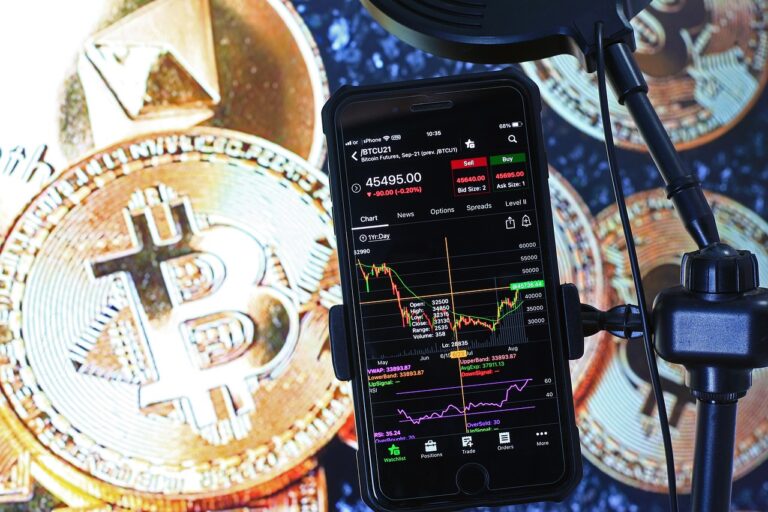
- Bitcoin Price: The price of Bitcoin is the most significant factor affecting mining profitability. Higher Bitcoin prices translate to higher rewards.
- Mining Difficulty: As more miners join the network, the mining difficulty increases, making it harder to solve blocks and earn rewards.
- Electricity Costs: As discussed earlier, electricity costs can significantly impact profitability.
- Hardware Costs: The initial investment in ASIC miners and other equipment needs to be factored in.
- Pool Fees: Mining pool fees reduce the overall profitability.
- Hardware Depreciation: ASIC miners lose value over time as newer, more efficient models enter the market.
There are several online Bitcoin mining calculators that can help you estimate potential profitability based on these factors. These calculators allow you to input your hardware specifications, electricity costs, and other relevant data to generate a projected return on investment.
It’s crucial to remember that mining profitability is not guaranteed and can fluctuate significantly depending on the market conditions and network factors. Before investing in Bitcoin mining equipment, conduct thorough research and carefully assess the risks involved. Don’t invest more than you can afford to lose.
Regulatory Landscape in the UK
The UK’s regulatory landscape for cryptocurrency mining is still evolving. Currently, there are no specific regulations that directly target Bitcoin mining activities. However, existing laws related to taxation, anti-money laundering (AML), and consumer protection may apply.
HM Revenue & Customs (HMRC) has issued guidance on the tax treatment of cryptoassets, including Bitcoin. Mining rewards are generally considered taxable income and are subject to income tax. Capital gains tax may also apply when you sell or dispose of your Bitcoin holdings.
It’s essential to comply with all applicable laws and regulations, including those related to AML and consumer protection. Consult with a qualified legal and financial advisor to ensure you are meeting your obligations.
Environmental Concerns
Bitcoin mining’s energy-intensive nature has raised environmental concerns. The process relies on powerful computers that consume vast amounts of electricity, often generated from fossil fuels. This has led to criticism regarding Bitcoin’s carbon footprint and contribution to climate change.
However, efforts are underway to make Bitcoin mining more sustainable. Some miners are increasingly using renewable energy sources, such as solar, wind, and hydroelectric power, to reduce their environmental impact.
Furthermore, research is being conducted on alternative consensus mechanisms that are less energy-intensive than proof-of-work. These mechanisms, such as proof-of-stake (PoS), aim to reduce the energy consumption associated with cryptocurrency validation.
Alternatives to Bitcoin Mining
Given the cost and complexity of Bitcoin mining, some individuals may consider alternative ways to earn Bitcoin.
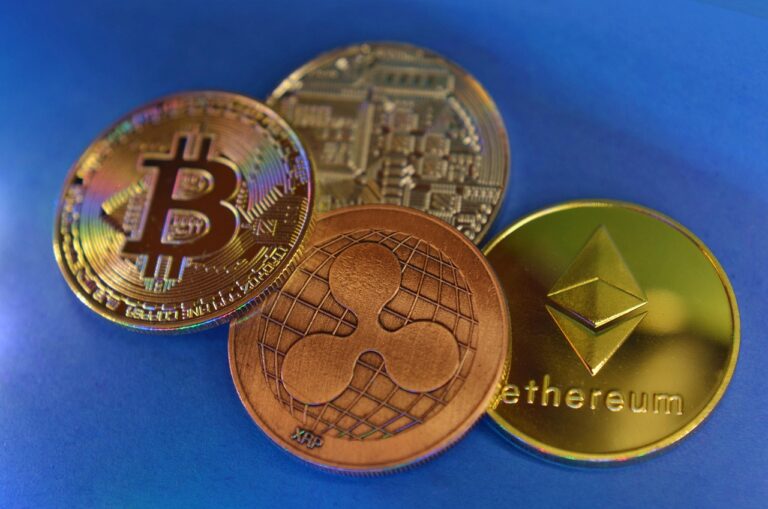
- Buying Bitcoin: The simplest way to acquire Bitcoin is to purchase it from a cryptocurrency exchange. This eliminates the need for specialized hardware and energy consumption. XRP is another popular cryptocurrency some investors buy.
- Staking: Some cryptocurrencies use a proof-of-stake (PoS) consensus mechanism, which allows users to earn rewards by “staking” their holdings. Staking involves holding a certain amount of cryptocurrency in a wallet to support the network and validate transactions.
- Earning Bitcoin as Payment: If you operate a business or provide services, you can accept Bitcoin as payment. This allows you to earn Bitcoin directly without the need for mining or purchasing it from an exchange.
Conclusion: Should You Mine Bitcoin in the UK?
Bitcoin mining in the UK presents both opportunities and challenges. While the prospect of earning Bitcoin is appealing, the high initial investment, electricity costs, and increasing mining difficulty make it a complex and potentially risky undertaking.
Before embarking on a Bitcoin mining venture, carefully assess your financial resources, technical expertise, and risk tolerance. Consider the environmental implications and explore sustainable mining practices. Thoroughly research the regulatory landscape and ensure compliance with all applicable laws and regulations.
Ultimately, the decision of whether or not to mine Bitcoin in the UK depends on your individual circumstances and investment goals. If you are willing to invest the time, effort, and resources required, and if you have a good understanding of the risks involved, Bitcoin mining may be a viable option. However, if you are looking for a simpler and less risky way to acquire Bitcoin, consider purchasing it from an exchange or exploring other alternatives, such as staking.
Disclaimer: Cryptocurrency investments are highly speculative and volatile. The value of cryptocurrencies can fluctuate significantly and you could lose all of your investment. Ensure you have a full understanding of the risks and seek independent financial advice before investing. Past performance is not indicative of future results. This is not financial advice. The UK’s Financial Conduct Authority (FCA) has stated that investing in cryptoassets is a high-risk activity and you should be prepared to lose all your money.