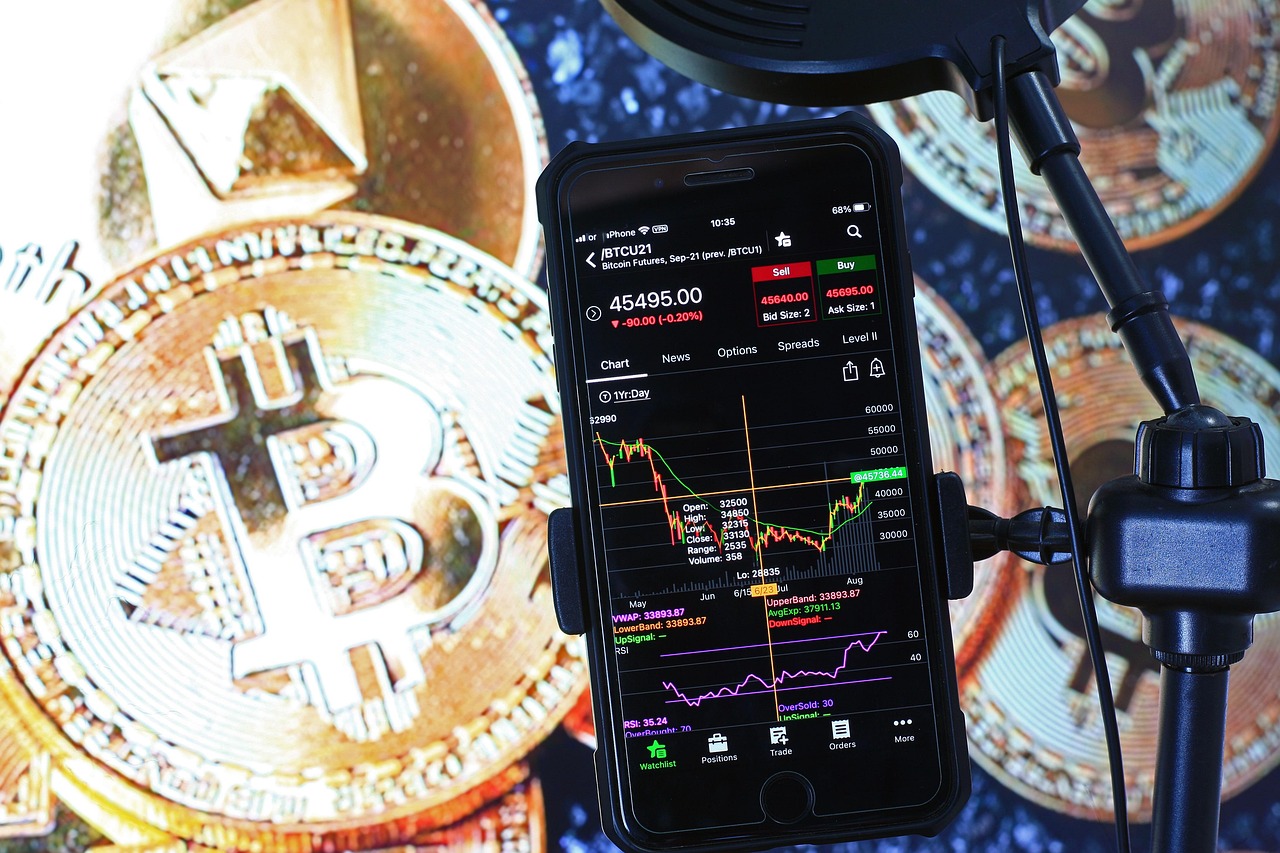
Is Bitcoin a Good Investment UK
Is Bitcoin a Good Investment in the UK? A Comprehensive Guide
Bitcoin, the pioneering cryptocurrency, has captured the attention of investors in the UK and worldwide since its inception in 2009. Its decentralised nature, potential for high returns, and growing mainstream acceptance have made it an attractive asset for some. However, the volatile nature of Bitcoin and the complexities of the cryptocurrency market require careful consideration before investing. This article explores the potential benefits and risks of investing in Bitcoin in the UK, helping you make informed decisions. Remember, investing in Bitcoin is inherently risky, and you could lose all of your invested capital.
Understanding Bitcoin
Before venturing into Bitcoin investment, grasp its fundamental principles. Unlike traditional currencies issued by central banks, Bitcoin operates on a decentralised Bitcoin blockchain, a public ledger recording every transaction. This ledger is maintained by a network of computers, making it resistant to censorship and single points of failure. New Bitcoins are created through a process called Bitcoin mining, where miners solve complex cryptographic puzzles to validate a block for transactions and are rewarded with newly minted Bitcoins. The supply of Bitcoin is capped at 21 million, making it a potentially scarce asset.
Bitcoin transactions are recorded on the cryptographic ledger. Each transaction requires a small fee to incentivise miners to process it. These fees can fluctuate depending on network congestion.
Potential Benefits of Investing in Bitcoin
- Decentralisation: Bitcoin’s decentralised design offers independence from government control and traditional financial institutions. This can be appealing to investors seeking alternatives to traditional assets.
- Potential for High Returns: Bitcoin has historically demonstrated the potential for significant price appreciation. Early adopters who invested when Bitcoin was worth pennies have seen enormous returns. However, past performance does not guarantee future results.
- Limited Supply: The capped supply of 21 million Bitcoins contrasts with fiat currencies, which can be printed by governments. This scarcity could drive up the value of Bitcoin if demand continues to increase.
- Inflation Hedge: Some investors view Bitcoin as a hedge against inflation, as its supply is limited and not subject to inflationary policies. However, this is a debated topic, and the correlation between Bitcoin and inflation is not always consistent.
- Accessibility: Bitcoin can be bought, sold, and traded 24/7 on exchanges worldwide, offering greater flexibility compared to traditional markets.
- Diversification: Bitcoin can add diversification to an investment portfolio, as its price movements are not always correlated with traditional asset classes such as stocks and bonds.
Potential Risks of Investing in Bitcoin
- Volatility: Bitcoin is known for its extreme price volatility. The price can fluctuate dramatically in short periods, leading to substantial gains or losses.
- Regulatory Uncertainty: The regulatory landscape for Bitcoin and cryptocurrencies is still evolving in many countries, including the UK. Changes in regulations could negatively impact the value of Bitcoin.
- Security Risks: Bitcoin exchanges and wallets are vulnerable to hacking and theft. Losing access to your private keys can result in the permanent loss of your Bitcoin holdings.
- Complexity: Understanding Bitcoin and the cryptocurrency market requires technical knowledge. Investors should be prepared to do their research and stay informed about the latest developments.
- Lack of Intrinsic Value: Unlike traditional assets like stocks or real estate, Bitcoin does not have intrinsic value based on earnings or cash flow. Its value is derived solely from supply and demand.
- Market Manipulation: The Bitcoin market can be susceptible to manipulation due to its relatively small size and lack of regulation.
- Irreversible Transactions: Once a Bitcoin transaction is confirmed on the blockchain, it is irreversible. There is no way to recover funds sent to the wrong address.
- Energy Consumption: Bitcoin mining requires significant energy consumption, which raises environmental concerns.
Investing in Bitcoin in the UK: Key Considerations
Regulation
The Financial Conduct Authority (FCA) in the UK has taken a cautious approach to cryptocurrencies. Crypto assets are largely unregulated in the UK. In January 2021, the FCA banned the sale of crypto derivatives to retail investors, citing concerns about volatility, complexity, and a lack of consumer protection.
Firms carrying on specific cryptoasset activities in the UK need to be registered with the FCA. This is primarily for anti-money laundering (AML) purposes. Note that registration for AML compliance does not mean the FCA approves of the underlying cryptocurrency or the firms business model.
FCA WARNING: Many cryptoasset firms are not registered with the FCA. You won’t have access to the Financial Ombudsman Service or the Financial Services Compensation Scheme (FSCS) if things go wrong.
Taxation
In the UK, profits from selling Bitcoin are generally subject to Capital Gains Tax (CGT). The amount of CGT you pay depends on your income tax band. You have an annual CGT allowance, which is the amount of profit you can make before paying CGT. It’s essential to keep accurate records of your Bitcoin transactions to calculate your tax liability correctly. You should consult with a tax advisor to understand your specific tax obligations.
HMRC (Her Majesty’s Revenue and Customs) views cryptoassets differently depending on the circumstances. Trading activities can sometimes be regarded as income rather than capital gains, and be subject to Income Tax and National Insurance contributions.
Choosing a Platform
Several platforms allow you to buy and sell Bitcoin in the UK. When selecting a platform, consider factors such as:
- Security: Choose a platform with robust security measures, such as two-factor authentication and cold storage of funds.
- Fees: Compare the fees charged by different platforms for buying, selling, and withdrawing Bitcoin.
- Ease of Use: Select a platform with a user-friendly interface, especially if you are new to cryptocurrency investing.
- Reputation: Research the platform’s reputation and read reviews from other users.
- Regulation: Check if the platform is registered with the FCA for AML compliance.
Storage
Once you have purchased Bitcoin, you need to store it securely. You have two main options:
- Exchange Wallet: Storing your Bitcoin on the exchange where you bought it is convenient but carries the risk of the exchange being hacked or going bankrupt.
- Private Wallet: A private wallet gives you control over your private keys. You can choose between software wallets (online or desktop) or hardware wallets (physical devices). Hardware wallets are generally considered the most secure option.
Regardless of where you store your Bitcoin, it’s crucial to protect your private keys. Never share your private keys with anyone, and always back them up in a safe place.
Strategies for Investing in Bitcoin
Several strategies can be employed when investing in Bitcoin, each with its own risk and reward profile:
- Buy and Hold (HODL): This involves buying Bitcoin and holding it for the long term, regardless of short-term price fluctuations. This strategy is based on the belief that Bitcoin will appreciate in value over time.
- Dollar-Cost Averaging (DCA): This involves investing a fixed amount of money in Bitcoin at regular intervals, regardless of the price. This strategy helps to mitigate the impact of volatility by averaging out your purchase price.
- Trading: This involves buying and selling Bitcoin to profit from short-term price movements. This strategy requires technical analysis skills and a high tolerance for risk.
- Staking: Some platforms offer the opportunity to stake your Bitcoin and earn rewards. Staking involves locking up your Bitcoin to support the network.
It’s crucial to choose a strategy that aligns with your investment goals, risk tolerance, and time horizon.
Risk Management
Risk management is essential when investing in Bitcoin. Here are some tips:
- Only Invest What You Can Afford to Lose: Bitcoin is a high-risk asset, and you should only invest money that you can afford to lose without impacting your financial well-being.
- Diversify Your Portfolio: Don’t put all your eggs in one basket. Diversify your portfolio by investing in other asset classes besides Bitcoin.
- Set Stop-Loss Orders: Stop-loss orders automatically sell your Bitcoin if the price falls to a certain level, limiting your potential losses.
- Take Profits: Don’t get greedy. Take profits when Bitcoin appreciates in value to secure your gains.
- Stay Informed: Keep up-to-date with the latest news and developments in the Bitcoin market.
The Future of Bitcoin in the UK
The future of Bitcoin in the UK is uncertain, but several factors could influence its adoption and price:
- Increased Institutional Adoption: As more institutional investors enter the Bitcoin market, it could lead to increased price stability and mainstream acceptance.
- Regulatory Clarity: Clear and consistent regulations could provide greater certainty for Bitcoin investors and businesses.
- Technological Advancements: Improvements to Bitcoin’s scalability, security, and energy efficiency could make it more attractive to users and investors.
- Macroeconomic Factors: Factors such as inflation, interest rates, and global economic growth could impact the demand for Bitcoin as an alternative asset.
Conclusion
Investing in Bitcoin in the UK presents both opportunities and risks. The potential for high returns, decentralisation, and limited supply are attractive features. However, the volatility, regulatory uncertainty, and security risks require careful consideration. Before investing in Bitcoin, you should conduct thorough research, understand the risks involved, and only invest what you can afford to lose. Consider consulting with a financial advisor to determine if Bitcoin is suitable for your investment portfolio.
Disclaimer: This article is for informational purposes only and does not constitute financial advice. Investing in Bitcoin is inherently risky, and you could lose all of your invested capital. You should consult with a qualified financial advisor before making any investment decisions. The author is not responsible for any losses incurred as a result of investing in Bitcoin.