What is Bitcoin UK Explained
Bitcoin Explained: A Beginner’s Guide for the UK
Bitcoin. The name conjures images of digital gold, technological disruption, and potentially life-changing profits. But what exactly is Bitcoin? In simple terms, it’s a decentralised digital currency, meaning it’s not controlled by a bank, government, or any single institution. This makes it fundamentally different from traditional currencies like the British pound. This guide aims to demystify Bitcoin for those in the UK who are new to the world of cryptocurrency.
Investment Warning:Cryptocurrencies are highly volatile and speculative assets. Investing in Bitcoin and other cryptocurrencies carries a high degree of risk, including the risk of losing all of your invested capital. This article is for informational purposes only and does not constitute financial advice. Always conduct thorough research and consult with a qualified financial advisor before making any investment decisions. Investing in cryptoassets is not regulated in the UK. You may not be protected if something goes wrong. Capital Gains Tax may be payable on profits.
The Core Concepts: How Bitcoin Works
Understanding the underlying technology is crucial to grasping the essence of Bitcoin. Instead of relying on a central authority, Bitcoin operates on a blockchain, a public and distributed ledger that records all Bitcoin transactions. Think of it as a shared, transparent database that everyone can view, but no single entity controls.
- Decentralisation: As touched upon, no single entity controls Bitcoin, making it resistant to censorship and single points of failure. Transactions are verified by a network of computers (nodes) spread across the globe.
- Blockchain: The blockchain is the backbone of Bitcoin. It’s a chronological chain of blocks, each containing a record of recent transactions. These blocks are linked together using cryptography, making the blockchain tamper-proof.
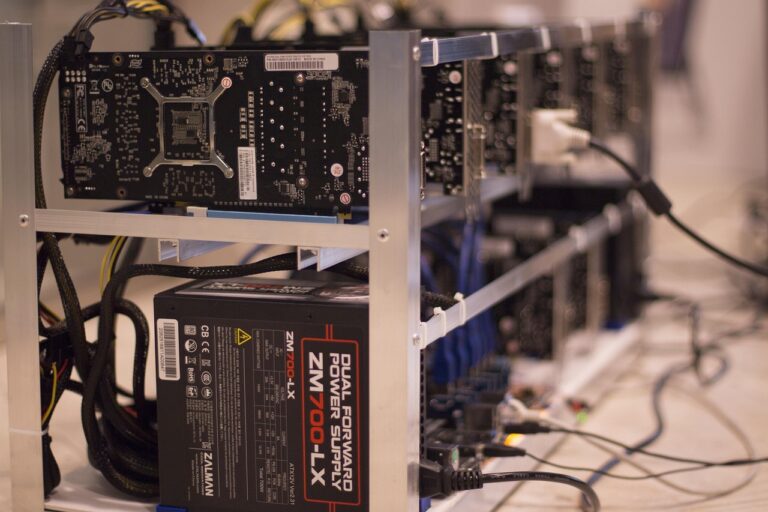
- Mining: New Bitcoins are created through a process called “mining.” Miners use powerful computers to solve complex mathematical problems. The first miner to solve the problem gets to add the next block to the blockchain and is rewarded with newly minted Bitcoins. This process also validates transactions and secures the network.
- Cryptography: Cryptography is used extensively throughout the Bitcoin system. It’s used to secure transactions, control the creation of new Bitcoins, and verify the authenticity of data. This includes using a cryptographic hash.
- Wallets: Bitcoins are stored in digital wallets, which are software programs that allow you to send, receive, and store Bitcoins. Wallets come in various forms, including desktop wallets, mobile wallets, hardware wallets (often considered the most secure), and web wallets.
Buying Bitcoin in the UK: A Step-by-Step Guide
If you’re in the UK and want to buy Bitcoin, here’s a simplified overview of the process. Remember to proceed with caution and only invest what you can afford to lose.
- Choose a Cryptocurrency Exchange: Several exchanges operate in the UK. It’s important to do your research and choose a reputable exchange that suits your needs. Consider factors such as fees, security measures, available cryptocurrencies, and user interface.
- Create an Account: Once you’ve chosen an exchange, you’ll need to create an account. This usually involves providing personal information and verifying your identity through Know Your Customer (KYC) procedures. This is now standard practice to prevent fraud and money laundering.
- Deposit Funds: After your account is verified, you’ll need to deposit funds. Most exchanges accept deposits via bank transfer, debit card, or credit card. Be aware of any fees associated with different deposit methods.
- Buy Bitcoin: Once your funds are deposited, you can buy Bitcoin. You can either place a market order (buying at the current market price) or a limit order (setting a price you’re willing to pay).
- Store Your Bitcoin: Once you’ve bought Bitcoin, it’s crucial to store it securely. While you can leave it on the exchange, this carries some risk. A hardware wallet is generally considered the most secure option for long-term storage.
Understanding the Risks and Benefits of Bitcoin
Like any investment, Bitcoin comes with its own set of risks and potential rewards. It’s essential to weigh these factors carefully before investing.
Potential Benefits:
- Decentralisation: Bitcoin’s decentralised nature can be seen as a hedge against government control and financial instability.
- Limited Supply: Only 21 million Bitcoins will ever be created, making it a scarce asset. This scarcity could potentially drive up the price over time, if demand increases.
- Potential for High Returns: Bitcoin has historically experienced significant price appreciation, although past performance is not indicative of future results.
- Global and Accessible: Bitcoin can be sent and received anywhere in the world, 24/7, without the need for intermediaries like banks.
Potential Risks:
- Volatility: Bitcoin’s price is notoriously volatile, meaning it can fluctuate dramatically in a short period of time. This makes it a risky investment, especially for those with a low-risk tolerance.
- Security Risks: While the Bitcoin network itself is secure, individual wallets and exchanges can be vulnerable to hacking and theft.
- Regulatory Uncertainty: The regulatory landscape surrounding Bitcoin and cryptocurrencies is still evolving, and future regulations could potentially impact the value of Bitcoin.
- Complexity: Understanding the technical aspects of Bitcoin can be challenging for beginners.
- Irreversible Transactions: Bitcoin transactions are irreversible. If you send Bitcoin to the wrong address, there is no way to get it back.
- Scams and Fraud: The cryptocurrency space is rife with scams and fraudulent schemes. Be wary of get-rich-quick schemes and always do your own research before investing.
Bitcoin and UK Regulation: What You Need to Know
The financial services industry in the UK is regulated by the Financial Conduct Authority (FCA). As it stands, Bitcoin and other cryptocurrencies are not regulated in the same way as traditional financial products. This means that you may not have the same protections if something goes wrong. The FCA has issued several warnings about the risks of investing in cryptocurrencies.
FCA Warning: As of January 2021, the FCA banned the sale, marketing, and distribution of crypto derivatives to retail customers in the UK. This includes products like contracts for difference (CFDs), options, and futures that are based on cryptocurrencies. The FCA deemed these products too complex and high-risk for retail investors.
It is imperative to stay informed about the latest regulatory developments regarding Bitcoin and cryptocurrencies in the UK. The rules are still being written and could change in the future.
Tax Implications of Bitcoin in the UK
In the UK, Bitcoin is generally treated as property for tax purposes. This means that any profits you make from selling or exchanging Bitcoin may be subject to Capital Gains Tax (CGT). HM Revenue & Customs (HMRC) provides guidance on how to calculate and report your cryptocurrency gains.
You are liable for Capital Gains Tax if your total gains from selling assets (including Bitcoin) exceed your annual CGT allowance. This allowance changes each tax year. It’s your responsibility to keep accurate records of your Bitcoin transactions so you can accurately calculate any potential tax liability. It’s always advisable to seek professional tax advice if you are unsure about your tax obligations.
Bitcoin in the UK: Use Cases and Adoption
While its price volatility often dominates headlines, Bitcoin is increasingly used for various practical applications in the UK and beyond.
Here are some examples:
- Remittances: Sending money internationally using Bitcoin can be faster and cheaper than traditional methods, especially for smaller transactions.
- Online Purchases: Some businesses in the UK accept Bitcoin as payment for goods and services, although this is not yet widespread.
- Investment: Many people in the UK view Bitcoin as a long-term investment, hoping that its value will increase over time.
- Store of Value: Some consider Bitcoin a store of value, similar to gold, due to its limited supply and decentralised nature.
Bitcoin Mining in the UK
While it’s theoretically possible to mine Bitcoin in the UK, it’s generally not profitable for individuals due to the high electricity costs and the specialised hardware required. Mining has become highly competitive, with large-scale mining operations dominating the market.
Environmental concerns surrounding Bitcoin mining are also a factor. The energy-intensive nature of mining has raised questions about its sustainability. While efforts are being made to use renewable energy sources for mining, it’s still a significant issue.
The Future of Bitcoin in the UK
The future of Bitcoin in the UK is uncertain, but several potential scenarios are taking shape. Increased mainstream adoption could lead to wider acceptance by businesses and consumers and increasing integration into the traditional financial system. Further regulatory clarity from the FCA and HMRC could provide more certainty for investors and businesses. Conversely, negative regulatory developments or a significant security breach could negatively impact Bitcoin’s price and adoption.
Regardless of what the future holds, it’s crucial to approach Bitcoin with a clear understanding of the risks and potential rewards. Continuous learning and staying informed about the latest developments are essential for anyone considering investing in or using Bitcoin.
Conclusion
Bitcoin, a revolutionary technology, offers undeniable potential along with inherent risks. Its decentralised nature, limited supply, and global accessibility make it an intriguing asset. However, its volatility, security risks, and regulatory uncertainty cannot be ignored. If you are considering entering the world of Bitcoin in the UK, proceed with caution, conduct thorough research, and seek professional financial advice. Remember, only invest what you can afford to lose. The world of cryptocurrency is constantly evolving, so continuous learning is key. You may also encounter a crypto airdrop or two along the way, rewarding early adopters, which can serve as a fun introduction to new blockchain projects.
Disclaimer:This article provides general information only and does not constitute financial advice. Cryptocurrencies are complex and high-risk assets. You could lose all your invested capital. Past performance is not indicative of future results. Always conduct your own research and consult with a qualified financial advisor before making any investment decisions.