How Much Bitcoin Should a Beginner Buy UK
How Much Bitcoin Should a Beginner Buy in the UK? A Practical Guide
So, you’re in the UK and thinking about dipping your toes into the world of Bitcoin? Excellent! Bitcoin, the original cryptocurrency, has captured the imagination of investors and tech enthusiasts alike. But before you jump in headfirst, it’s crucial to consider how much Bitcoin you should actually buy, especially as a beginner navigating the complexities of the crypto market. This guide will walk you through the key factors to consider, providing a UK-specific perspective on risk management and sensible investing.
Understanding Bitcoin and Its Volatility
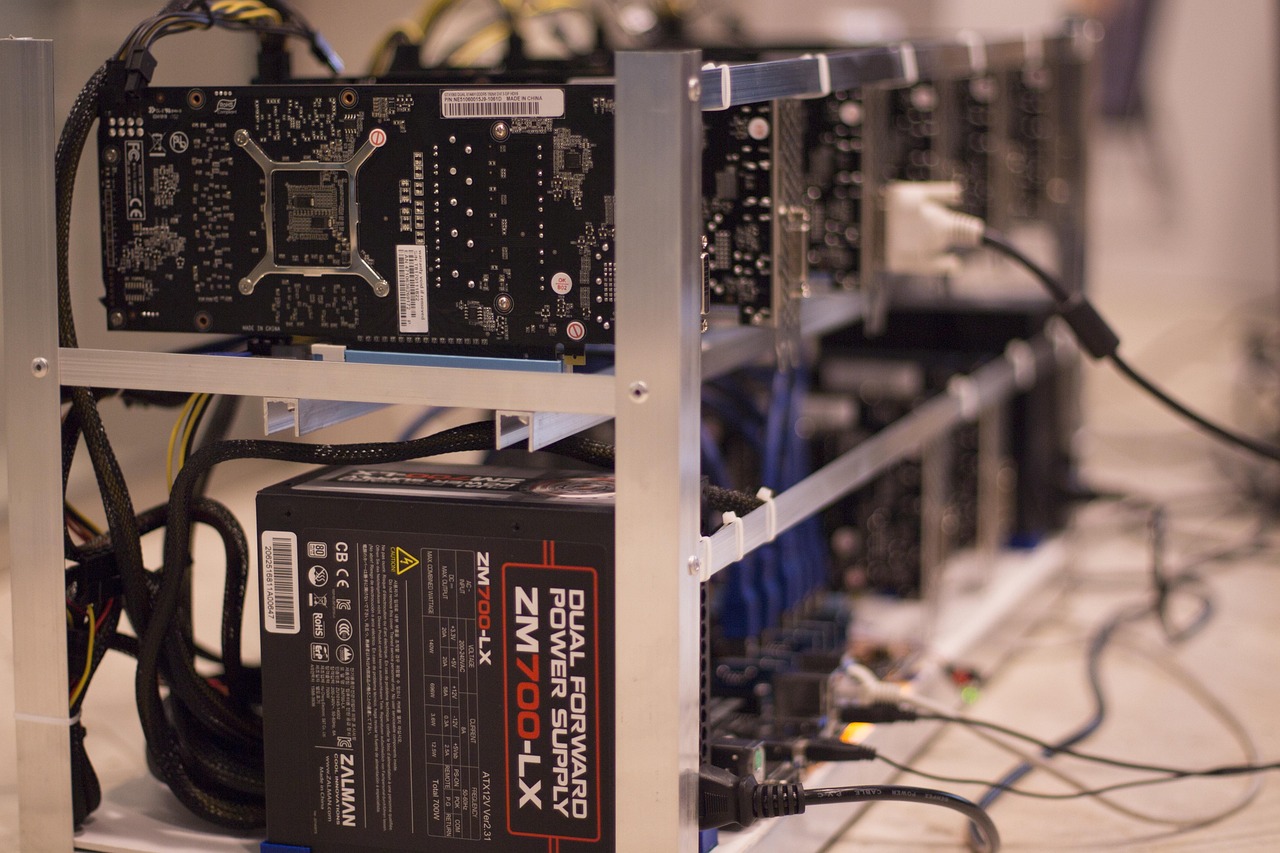
First things first: let’s be clear about what Bitcoin is. In essence, it’s a decentralised digital currency, meaning it’s not controlled by a central bank like the Bank of England. Transactions are recorded on a public ledger called a blockchain, and new Bitcoins are created through a process called “mining.”
Now for the crucial bit: Bitcoin is known for its volatility. Its price can swing dramatically in short periods, influenced by factors like regulatory changes, market sentiment, and macroeconomic events. It’s not unusual to see Bitcoin’s value increase or decrease by thousands of pounds in a single day. This inherent volatility is why it’s crucial to approach Bitcoin investments with caution, especially if you are a beginner.
Financial Risk Warning: Cryptocurrency investments are high-risk and speculative. The value of your investments can go down as well as up, and you could lose all of your money. You should only invest what you can afford to lose. Past performance is not indicative of future results. Seek independent financial advice before making any investment decisions.
Key Factors to Consider Before Buying Bitcoin
Before you buy any Bitcoin, carefully evaluate these factors:
- Your Financial Situation: This is paramount. Assess your income, expenses, debts, and existing investments. Do you have a solid financial foundation with an emergency fund and other diversified investments? If not, prioritising these areas is crucial before considering Bitcoin. Remember, Bitcoin should only be a small portion of your overall investment portfolio, never the foundation of your financial security.
- Your Risk Tolerance: How comfortable are you with the possibility of losing money? Bitcoin’s volatility means you could see your investment shrink significantly and rapidly. If the thought of losing a substantial portion of your investment keeps you up at night, Bitcoin might not be suitable for you, or you may need to consider investing a very small amount.
- Your Investment Goals: What are you hoping to achieve with your Bitcoin investment? Are you looking for long-term capital appreciation, or are you trying to make quick profits? Your goals will influence your investment strategy and, consequently, the amount of Bitcoin you choose to buy. Short-term trading is incredibly risky, and even experienced traders can lose money.
- Your Knowledge of Bitcoin and Cryptocurrency: Do you understand the technology behind Bitcoin, the factors that influence its price, and the risks involved? The more you know, the better equipped you’ll be to make informed investment decisions. Don’t rely solely on hype or social media trends. Take the time to research and understand the fundamentals.
Determining a Suitable Investment Amount: A Step-by-Step Approach
Now, let’s get down to the practicalities of determining how much Bitcoin you should buy. Here’s a step-by-step approach tailored to the UK investor:
- Calculate Your Disposable Income: Start by calculating your monthly income after taxes and essential expenses (rent/mortgage, bills, food, transportation, etc.). This will give you a clear picture of how much money you have available for discretionary spending and investments.
- Allocate to Emergency Fund and Other Investments: Before even thinking about Bitcoin, ensure you have a fully funded emergency fund (typically 3-6 months’ worth of living expenses) and that you are contributing to other diversified investments like stocks, bonds, or property. These provide a more stable foundation for your financial future.
- The “Percentage of Portfolio” Rule: A common guideline is to allocate a small percentage of your investment portfolio to high-risk assets like Bitcoin. For beginners, a range of 1% to 5% is often recommended. This means that if you have a total investment portfolio of £10,000, you might consider investing between £100 and £500 in Bitcoin.
- The “Afford to Lose” Principle: This is the most important rule. Never invest more than you can afford to lose completely. Bitcoin is a high-risk asset, and there’s a real possibility that its value could plummet. If losing your investment would significantly impact your financial well-being, you’re investing too much.
- Start Small and Dollar-Cost Average: Instead of buying a large amount of Bitcoin all at once, consider using a strategy called “dollar-cost averaging.” This involves investing a fixed amount of money at regular intervals (e.g., £50 per week or £200 per month), regardless of the price of Bitcoin. This helps to smooth out the volatility and reduce the risk of buying at a peak.
UK Tax Implications of Bitcoin Investments
It’s crucial to understand the UK tax implications of buying and selling Bitcoin. Here’s a brief overview, but remember to consult with a qualified tax advisor for personalised advice:
- Capital Gains Tax (CGT): If you sell your Bitcoin for a profit, you may be subject to Capital Gains Tax. The amount of CGT you pay depends on your individual circumstances, including your income tax bracket and the size of your profit. The CGT allowance changes, so stay up to date.
- Income Tax: If you earn Bitcoin through mining or staking, this may be considered income and subject to income tax.
- HMRC Guidance: HM Revenue & Customs (HMRC) has published guidance on the tax treatment of cryptocurrency assets. It’s essential to familiarise yourself with this guidance to ensure you comply with UK tax laws.
Keep accurate records of all your Bitcoin transactions, including purchase dates, prices, and sale dates. This will make it easier to calculate any potential tax liabilities.
Choosing a Reputable Crypto Exchange in the UK
Once you’ve decided how much Bitcoin to buy, you’ll need to choose a reputable cryptocurrency exchange where you can purchase it. Here are a few factors to consider:
- Security: Look for an exchange with robust security measures, such as two-factor authentication (2FA), cold storage of funds, and insurance coverage.
- Fees: Compare the fees charged by different exchanges for buying, selling, and withdrawing Bitcoin.
- User Interface: Choose an exchange with a user-friendly interface, especially if you’re a beginner.
- Payment Methods: Ensure the exchange supports payment methods that are convenient for you, such as debit cards, bank transfers, or Faster Payments.
- Customer Support: Check the exchange’s customer support options and read reviews to see how responsive and helpful they are.
Do your research and read reviews before choosing an exchange. Remember to enable two-factor authentication and use a strong, unique password to protect your account.
Alternative Ways to Gain Exposure to Bitcoin
If you’re hesitant to buy Bitcoin directly, or you want to diversify your approach, consider these alternative ways to gain exposure to Bitcoin:
- Bitcoin Exchange-Traded Funds (ETFs): While not yet widely available in the UK, Bitcoin ETFs (if and when approved) offer a regulated way to invest in Bitcoin without having to directly purchase and store it. This can be a more convenient option for some investors. Keep an eye on regulatory developments regarding Bitcoin ETFs in the UK.
- Bitcoin Investment Trusts: These are similar to ETFs but are structured as trusts. They offer another way to gain exposure to Bitcoin without directly owning the cryptocurrency.
- Companies with Bitcoin Exposure: Invest in companies that hold Bitcoin on their balance sheets or are involved in the Bitcoin ecosystem, such as mining companies or payment processors. However, remember that these companies are also subject to other business risks.
Long-Term Strategy vs. Short-Term Trading
Before you buy Bitcoin, decide whether you’re planning to hold it for the long term (years) or engage in short-term trading (days or weeks). Long-term investing typically involves buying and holding Bitcoin regardless of short-term price fluctuations, based on the belief that it will appreciate in value over time. Short-term trading, on the other hand, involves trying to profit from short-term price movements. This is a much riskier strategy.
For beginners, a long-term investment strategy is generally recommended. This allows you to ride out the volatility and potentially benefit from the long-term growth of Bitcoin. Short-term trading requires significant knowledge, experience, and risk tolerance. It’s not suitable for most beginners.
Staying Informed and Managing Your Investments
The cryptocurrency market is constantly evolving, so it’s crucial to stay informed about the latest news, trends, and regulatory developments. Follow reputable news sources, read research reports, and participate in online communities. However, be wary of hype and scams.
Regularly review your Bitcoin investment portfolio and make adjustments as needed based on your changing financial situation, risk tolerance, and investment goals. Don’t be afraid to take profits or cut losses when necessary. Have an exit strategy in place before you invest, including a plan for how you will sell your Bitcoin and when.
Conclusion: A Measured Approach to Bitcoin Investing in the UK
Investing in Bitcoin can be an exciting opportunity, but it’s essential to approach it with caution and a well-thought-out plan. Start by assessing your financial situation, risk tolerance, and investment goals. Allocate only a small percentage of your portfolio to Bitcoin, and never invest more than you can afford to lose. Use dollar-cost averaging to smooth out volatility, and choose a reputable cryptocurrency exchange. Stay informed about the market and manage your investments actively. By following these guidelines, you can navigate the world of Bitcoin investing in the UK with greater confidence and potentially achieve your financial goals.
Financial Risk Warning: Cryptocurrency investments are high-risk and speculative. The value of your investments can go down as well as up, and you could lose all of your money. You should only invest what you can afford to lose. Past performance is not indicative of future results. Seek independent financial advice before making any investment decisions. This article is for informational purposes only and does not constitute financial advice. The Financial Conduct Authority (FCA) does not regulate certain cryptoassets. Always conduct thorough research and seek professional advice before investing in cryptocurrencies.