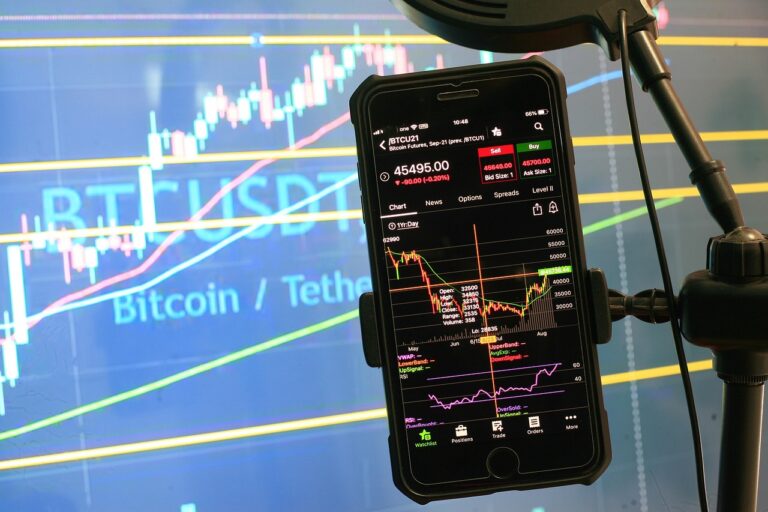

Fca Regulated Crypto Exchanges UK
Navigating the UK Crypto Landscape: Understanding FCA Regulation and Finding the Right Exchange
The world of cryptocurrency is rapidly evolving, and the UK is no exception. As more Brits explore the potential of digital assets like Bitcoin and Ethereum, the need for clear regulation and secure platforms becomes paramount. The Financial Conduct Authority (FCA) plays a crucial role in overseeing this sector, aiming to protect consumers and maintain the integrity of the UK financial system. But what does FCA regulation mean for crypto exchanges and users in the UK, and how can you find a reputable exchange that meets the necessary standards?
This guide provides a comprehensive overview of the FCA’s role in the UK crypto market, explores the key regulatory requirements for exchanges, and offers practical advice on how to choose a platform that aligns with your needs and risk tolerance. It also includes vital information about the risks associated with crypto investments.
Please remember that investing in cryptocurrencies carries a high level of risk. You could lose all of your invested capital. Cryptocurrencies are complex and largely unregulated in the UK. Past performance is not indicative of future results. Seek independent financial advice before making any investment decisions.
The FCA’s Role in Regulating Crypto in the UK
The FCA’s approach to crypto regulation in the UK is multifaceted, primarily focusing on preventing financial crime and ensuring consumer protection. While the FCA doesn’t regulate all crypto activities wholesale, it has specific responsibilities concerning anti-money laundering (AML) and counter-terrorist financing (CTF) for crypto asset businesses. This means that firms dealing with crypto assets in the UK must register with the FCA and adhere to strict AML/CTF rules.
The FCA considers crypto assets to be “high-risk” investments, and has issued numerous warnings to consumers about the risks involved. These risks include:
- Volatility: Crypto asset prices can fluctuate dramatically and rapidly, potentially leading to significant losses.
- Complexity: Crypto assets and related technologies can be complex and difficult to understand.
- Lack of Regulation: The crypto market is largely unregulated, offering limited consumer protection compared to traditional financial services.
- Scams and Fraud: The crypto space is a target for scams and fraudulent schemes.
- Operational Risks: Cryptocurrency exchanges can be vulnerable to Hacking and Theft, potentially resulting in the loss of your assets.
The FCA’s regulatory perimeter is constantly evolving to keep pace with the rapidly changing crypto landscape. Understanding this landscape is essential for anyone considering investing in or using crypto assets in the UK.
FCA Registration and What It Means for Crypto Exchanges
As mentioned earlier, businesses that carry out certain crypto asset activities in the UK are required to register with the FCA under the Money Laundering, Terrorist Financing and Transfer of Funds (Information on the Payer) Regulations 2017 (MLRs). This registration process involves meeting certain requirements, including:
- Implementing robust AML/CTF controls: Exchanges must have systems and processes in place to detect and prevent money laundering and terrorist financing.
- Conducting thorough customer due diligence (CDD): This includes verifying the identity of customers and understanding the nature of their transactions.
- Reporting suspicious activity: Exchanges are required to report any suspicious activity to the relevant authorities.
- Having appropriate governance and risk management frameworks: Exchanges must have effective leadership and risk management processes in place.
Successful FCA registration demonstrates that an exchange has met these minimum standards for AML/CTF compliance. However, it’s crucial to understand that FCA registration does not mean that the FCA endorses the exchange or guarantees the safety of your investments. It simply means the exchange has demonstrated it can follow rules designed to prevent financial crime. Considering the regulatory uncertainty, many exchanges have struggled to meet the FCA’s requirements, highlighting the challenges of operating in this evolving environment.
Key Considerations When Choosing a Crypto Exchange in the UK
Given the risks involved in cryptocurrency investments, choosing a reputable and reliable exchange is paramount. Here are some key factors to consider:
- FCA Registration Status: While not a guarantee of safety, verifying whether an exchange is registered with the FCA under the MLRs is a good starting point. You can check the FCA’s online register to confirm an exchange’s registration status.
- Security Measures: Look for exchanges that implement robust security measures to protect your assets and personal information. This includes features such as two-factor authentication (2FA), cold storage of funds, and encryption.
- Transparency: Choose exchanges that are transparent about their fees, trading practices, and security protocols.
- User Interface and Experience: Select an exchange with a user-friendly interface that is easy to navigate and understand, especially if you are new to crypto trading.
- Customer Support: Ensure the exchange offers responsive and helpful customer support in case you encounter any issues.
- Range of Crypto Assets: Consider whether the exchange offers the specific cryptocurrencies you are interested in trading.
- Liquidity: Opt for exchanges with high liquidity, which means there are plenty of buyers and sellers, making it easier to execute trades quickly and at favourable prices.
- Fees: Compare the trading fees, deposit fees, and withdrawal fees charged by different exchanges.
- Reputation: Research the exchange’s reputation by reading reviews and checking for any complaints or regulatory actions.
Beyond FCA Registration: Assessing the Overall Risk
While FCA registration is an important factor, it’s crucial to remember that it’s not the only factor to consider when assessing the risk associated with a crypto exchange. You need to consider the overall risk profile of the exchange and the specific crypto assets you are interested in trading.
Here are some additional factors to consider:
- Exchange’s Financial Stability: Research the exchange’s financial health and stability. Look for information about its funding, ownership, and risk management practices.
- Custody Solutions: Understand how the exchange safeguards your crypto assets. Does it use cold storage, multi-signature wallets, or other security measures?
- Insurance Policies: Does the exchange have crypto insurance in place to protect against losses due to hacking or theft? It is important to note the limitations of crypto insurance policies, which often have exclusions and may not cover all types of losses.
- Regulatory Compliance in Other Jurisdictions: If the exchange operates in other jurisdictions, check its regulatory compliance in those regions.
- Your Own Risk Tolerance: Honestly assess your own risk tolerance and investment goals before investing in crypto assets. Only invest what you can afford to lose.
Remember, crypto inheritance in the UK can also be complex. Planning for the future of your digital assets is a crucial part of responsible crypto ownership.
Understanding the Risks of Crypto Investments
It is impossible to overstate the risks associated with cryptocurrency investments. The value of digital assets can fluctuate wildly, and you could lose all of your money. The crypto market is also susceptible to scams and fraud, and there is limited regulatory protection for investors. Before investing in crypto assets, it is essential to understand these risks and consider whether you can afford to lose your investment.
Here are some of the key risks to be aware of:
- Market Volatility: Crypto prices are notoriously volatile and can change dramatically in a short period. This volatility can be driven by a variety of factors, including market sentiment, regulatory changes, and technological developments.
- Lack of Regulation: The crypto market is largely unregulated, which means there is limited protection for investors. In the event of a dispute or a loss, you may have limited recourse.
- Scams and Fraud: The crypto space is a breeding ground for scams and fraudulent schemes. Be wary of promises of high returns or guaranteed profits. Always do your own research before investing in any crypto asset.
- Hacking and Theft: Cryptocurrency exchanges and wallets are vulnerable to hacking and theft. If your assets are stolen, you may not be able to recover them.
- Technological Risks: Crypto assets and related technologies are complex and constantly evolving. There is a risk that a technological failure could result in the loss of your assets.
- Liquidity Risks: Some crypto assets are less liquid than others, which means it may be difficult to sell them quickly at a fair price.
Risk Warning: Investing in cryptocurrencies is high risk and speculative, and there is a risk of total loss. As investments are unregulated, the UK Financial Services Compensation Scheme and the UK Financial Ombudsman Service are not available. Past performance is not a guide to future performance. Tax treatment depends on individual circumstances and may be subject to change. Seek independent financial advice.
Tax Implications of Crypto in the UK
It’s important to be aware of the tax implications of owning and trading crypto assets in the UK. HM Revenue & Customs (HMRC) has published guidance on how crypto assets are taxed, and it’s essential to comply with these rules to avoid potential penalties. Generally, profits from selling or exchanging crypto assets are subject to Capital Gains Tax (CGT). You may also be liable for Income Tax on crypto assets you receive as a reward for staking or mining.
Keeping accurate records of your crypto transactions is crucial for calculating your tax liabilities. It’s also a good idea to seek professional tax advice to ensure you are complying with all applicable tax rules.
Conclusion: Navigating the UK Crypto Market Responsibly
The UK crypto market offers exciting opportunities, but it’s crucial to approach it with caution and awareness of the risks involved. By understanding the FCA’s role, choosing a reputable exchange, and being mindful of the tax implications, you can navigate this evolving landscape more responsibly. Remember that investing in cryptocurrencies carries a high level of risk, and you should only invest what you can afford to lose. Always seek independent financial advice before making any investment decisions.